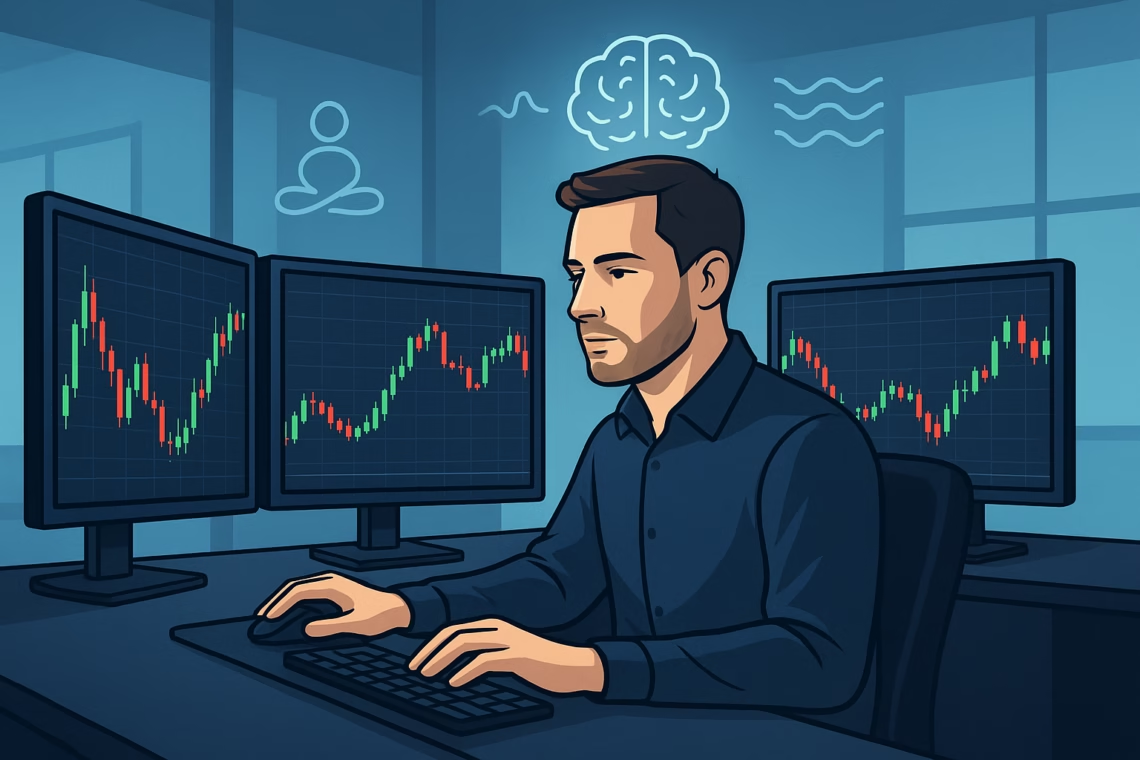
In the fast-paced world of day trading, technical skills and strategies are essential—but they’re only part of the equation. Trading psychology often determines long-term success. As markets evolve in 2025 with increased volatility and algorithmic influences, mastering emotional discipline and a resilient mindset is more crucial than ever.
This guide explores proven techniques to build strong trading psychology, maintain emotional discipline, and cultivate a winning mindset for day traders.
Why Trading Psychology Matters for Day Traders
Day trading demands quick decisions under pressure. Emotions like fear and greed can lead to impulsive actions, such as revenge trading or holding losers too long. Recent insights from 2025 highlight that up to 85% of trading success stems from psychology, not just analysis.
Without emotional discipline, even the best strategies fail. A strong mindset helps traders stick to plans, manage risk, and recover from losses—key to consistent profitability.
Building Emotional Discipline in Trading
Emotional discipline is the foundation of successful day trading. It involves controlling reactions to wins and losses.
Common Emotional Pitfalls in Day Trading
- Fear of Missing Out (FOMO): Chasing trades during rallies, leading to poor entries.
- Greed: Overstaying in winners or increasing position sizes recklessly.
- Revenge Trading: Doubling down after losses to “get even.”
- Loss Aversion: Holding losing positions too long, hoping for recovery.
In 2025, studies show these biases are amplified by social media hype and rapid market moves.
Strategies for Emotional Discipline
- Develop a Detailed Trading Plan: Outline entry/exit rules, risk per trade (1-2% max), and daily goals. Stick to it rigidly.
- Use Risk Management Tools: Set stop-losses and take-profits in advance to remove guesswork.
- Keep a Trading Journal: Log trades, emotions, and lessons. Review weekly to spot patterns.
- Practice Mindfulness and Breaks: Short meditation sessions or walks after losses reset your mindset.
- Accept Losses as Part of the Process: Focus on long-term probabilities, not individual trades.
Cultivating a Winning Mindset for Day Traders
A resilient mindset separates profitable traders from the rest. In 2025, experts emphasize process over outcome.
Key Mindset Shifts
- Process-Oriented Thinking: Prioritize execution over P&L. Track rule adherence, not just profits.
- Resilience After Drawdowns: Expect losing streaks; maintain position sizes during them.
- Continuous Learning: Stay updated on market psychology trends, like behavioral finance insights.
- Detachment from Outcomes: View trading as a business—wins and losses are data points.
Professional traders in 2025 often use routines: pre-session reviews, volatility protocols, and post-session reflections.
Click Here To Start Trading Automation For Free
The Role of Automation in Enhancing Trading Psychology
One of the most effective ways to bolster emotional discipline is through automation. Manual trading invites emotional interference, but automated systems execute rules objectively.
Platforms like PickMyTrade allow day traders to automate TradingView strategies with brokers such as Tradovate or Interactive Brokers. This ensures millisecond-precision execution without hesitation, reducing FOMO, revenge trading, or manual errors.
By automating entries, exits, and risk controls, traders remove emotions from the equation—focusing instead on strategy refinement. Many 2025 traders report improved consistency and reduced stress with tools like PickMyTrade.
Practical Tips to Strengthen Your Trading Psychology in 2025
- Start sessions with a 5-minute mindfulness exercise.
- Limit screen time to avoid fatigue-induced impulses.
- Scale down positions after losses to rebuild confidence.
- Join communities for accountability, but avoid hype-driven groups.
With discipline, these habits compound into a robust mindset.
Mastering trading psychology, emotional discipline, and mindset isn’t overnight—it’s a skill honed through practice. In 2025’s dynamic markets, traders who prioritize mental resilience gain a true edge.
Most Asked FAQs on Emotion Management for Day Traders
How can I overcome fear and greed in day trading?
Develop a strict trading plan with predefined rules, use stop-losses, and journal emotions to identify triggers.
What is revenge trading, and how to avoid it?
Revenge trading is impulsively entering trades after losses to recover quickly. Avoid by taking breaks, sticking to risk limits, and accepting losses.
Does automation help with trading psychology?
Yes—tools like PickMyTrade automate executions, removing emotional decisions and enforcing discipline.
How important is a trading journal for emotional discipline?
Essential. It helps track psychological states, identify biases, and improve decision-making over time.
Can mindfulness really improve my trading mindset?
Absolutely. Short daily practices enhance focus, reduce impulsivity, and promote rational choices.
What should I do after a losing streak?
Review trades objectively, reduce position sizes, and focus on process—not outcomes—to rebuild confidence.
Disclaimer:
This content is for informational purposes only and does not constitute financial, investment, or trading advice. Trading and investing in financial markets involve risk, and it is possible to lose some or all of your capital. Always perform your own research and consult with a licensed financial advisor before making any trading decisions. The mention of any proprietary trading firms, brokers, does not constitute an endorsement or partnership. Ensure you understand all terms, conditions, and compliance requirements of the firms and platforms you use.
Also Checkout: Automate TradingView Indicators with Tradovate Using PickMyTrade